When to DNF a Book: Why Is It So Hard to Stop Reading a Book You Don’t Like?
I have a confession to make about when to DNF a book.
I recently finished a book that I started in late June.
It took me about two months to finish ONE book.
Yes, I’ve been busy. Between work, freelancing, blogging and life in general, I don’t have unlimited time to sit around and read. But being busy wasn’t really the problem. When I’m into a book, I want to find time to read it. I want to know what happens next. I’ll pick it up whenever I get a chance.
With this book? Not so much.
The book was Picking Daisies on Sundays by Liana Cincotti, and instead of being excited to pick it back up, I kept thinking about how I needed to finish it.
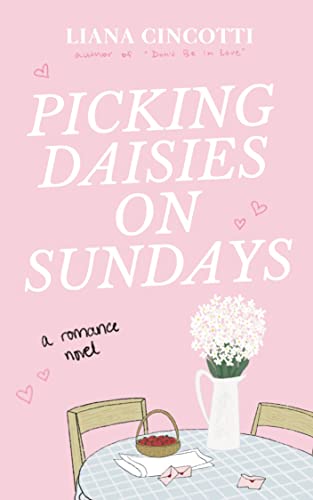
And I did eventually finish it. All of it.
But when I finally reached the end, I realized something: I should have DNF’d this book a long time ago.
There’s a pretty big difference between wanting to read a book and feeling like you have to finish it.
Which brings me to something I apparently need to get better at:
DNFing books.
What Does DNF Mean in Reading?
If you’re unfamiliar with bookish terminology, DNF simply means Did Not Finish.
You started the book. You gave it a chance. For whatever reason, it wasn’t working for you, so you stopped reading it.
That’s it.
Sounds easy, right?
Apparently not for me.
I’ve successfully DNF’d exactly one book.
ONE.
I can’t even remember the name anymore. India Holton, I believe was the author, but that’s how little of an impact that book had on me. I stopped reading it, didn’t rate or review it and moved on.
And you know what?
I still felt guilty.
Why Is It So Hard to Know When to DNF a Book?
I think part of my problem is that when I start a book, I feel like I’ve committed to it.
I chose this book and started reading it. So now I’m supposed to finish it.
If I stop partway through, it feels like I gave up.
But why?
We’re not in school anymore. No one assigned me this book. There isn’t going to be a quiz at the end. I get to choose what I read.
And I read because I enjoy reading.
So why am I forcing myself to finish books I don’t enjoy?
That’s the part I’m trying to unlearn.
When Should You DNF a Book?
This was one of my biggest questions because I genuinely wanted to know: Is there a standard?
How much of a book are you supposed to read before you’re officially allowed to say, “Nope. Not for me”?
My personal rule has always been a few chapters or about 20% of the book.
If I’m not pulled into the story by then, I’m probably not going to be.
There really isn’t one official rule for when you should DNF a book. Some readers follow a 50-page rule. Others use a percentage, like 10% or 20%. Some readers don’t have a rule at all and stop whenever they’re no longer enjoying the book.
Honestly, I think I’m more of a vibes person.
Am I bored?
Is the pacing too slow?
Do I constantly choose something else instead of reading?
What about the spice or thrill? Is there anything making me wonder what happens next?
Those are probably pretty good signs that this book isn’t for me.
The problem is actually listening to those signs.
Three Books I Wish I Had DNF’d
Since getting back into reading in 2024, there have been three books I finished from beginning to end even though I wish I had stopped reading them earlier:
- People We Meet on Vacation by Emily Henry
- Begin Again by Emma Lord
- Picking Daisies on Sundays by Liana Cincotti
Yep. I finished all three.
And after finally finishing Picking Daisies on Sundays, I can officially say my gut was right. I should have DNF’d it.
These books have taught me something, though. I don’t have a single book that I almost DNF’d, pushed through and ended up loving.
Not one.
But I do have three books where my gut was telling me I wasn’t enjoying myself, I kept reading anyway and ultimately wished I had stopped.
Maybe I need to start trusting myself a little sooner.
Even Goodreads Says It’s Okay to DNF
Apparently, enough of us struggle with unfinished books that Goodreads finally made DNFing official.
In 2026, Goodreads introduced a Did Not Finish shelf after readers had been requesting the feature for years.
You can now move a book from Currently Reading to Did Not Finish and even record how far you made it before calling it quits.
I kind of love that.
There’s something validating about Goodreads basically saying, “Yeah, you don’t have to finish that.”
The book police aren’t coming.
Should a DNF Book Count Toward Your Reading Goal?
Okay, here’s where I might be a little controversial.
Personally, I don’t think a DNF should generally count toward my yearly reading goal.
My reading goal is about reading and finishing books. If I DNF one, I feel like I need to make up for that book by reading another one.
But I do think there’s a gray area.
If I read 20% of a book and quit? No, I’m not counting it.
But what if I read 60%? 70%? 80%?
That’s different.
If you’ve read more than half of a book before deciding you can’t do it anymore, I can understand counting it toward your goal. You still spent a significant amount of time reading that book.
For me, though, that 50% mark is where things get complicated.
Because if I’ve already read more than half the book, my brain immediately goes:
Well, I’m already this far…
And then I feel like I just need to finish it.
Even if I’m not enjoying it.
And that’s exactly what happened with Picking Daisies on Sundays. By the time I admitted that I probably should have DNF’d it, I felt like I was already too far into the book to stop.
So I kept going.
For TWO MONTHS.
Reading Goals Can Make DNFing Harder
I don’t think Bookstagram pressures me to read in a bad way. If anything, it gets me excited about books. I love seeing what everyone is reading and discovering new books to add to my TBR.
Goodreads motivates me, too.
I’ve set a yearly reading goal every year since I got back into reading in 2024, and I’ve met my goal every year.
Naturally, I don’t want this year to be the year I don’t reach it.
But because Picking Daisies on Sundays took me about two months to finish, I fell behind by a book or two.
And that’s where I see the irony in all of this.
I didn’t DNF the book partly because I wanted to finish what I started and have it count toward my reading goal.
But forcing myself to finish a book I wasn’t enjoying slowed down my reading so much that it put me behind on my goal anyway.
I could have DNF’d it, picked up something I was actually excited about and probably finished another book during that time.
Trying to stay accountable to my reading goal actually worked against me.
Why It’s Okay to DNF a Book
Here’s the funny part about this entire blog:
I’m telling you that it’s okay to DNF a book while simultaneously admitting that I’m terrible at doing it myself.
But maybe I need to hear this as much as anyone else does.
Reading is supposed to be enjoyable.
We’re not in school anymore being told what books we have to read. We get to choose.
So we should choose books we actually enjoy.
If you’re bored, you’re not connecting with the characters, the pacing is dragging or you’re simply not excited to pick the book back up, it’s okay to stop.
DNF it.
Put it down.
Grab something else from that never-ending TBR.
We really need to end the stigma around DNFing books and stop feeling guilty because we didn’t finish something we weren’t enjoying in the first place.
Now, am I saying I’ll have no problem DNFing the next book I don’t like?
Absolutely not. LOL.
Ask me again when I’m 70% into a book thinking, Well…I’ve already made it this far.
But after spending two months finishing a book I knew I wasn’t enjoying, I’m going to try to get better at taking my own advice.
Maybe my new rule needs to be simple:
If reading starts feeling like homework, it’s probably time to DNF.