
5 Easy Tips to Live a More Sustainable Lifestyle
Every day, we navigate through routines: waking up, dressing, eating our meals, working, returning home, preparing for bed, and repeating the process. Additionally, our actions slip into autopilot, and we tend to overlook how we influence the environment. Developing an interest in incorporating more sustainable practices into your daily routine is essential. Let’s start by delving into the basics. What constitutes sustainable living?
Sustainable living describes a lifestyle that attempts to reduce an individual’s or society’s use of the Earth’s natural resources, and one’s personal resources. It is often called “earth harmony living” or “net zero living.”
I know sustainable living can sometimes feel overwhelming. When people hear terms like climate change, renewable energy, or reducing your carbon footprint, it can sound like you need to completely overhaul your lifestyle. The truth is, living more sustainably often starts with small, intentional choices that fit naturally into your daily routine.
Small changes yield significant differences. Introducing minor eco-friendly adjustments into your daily routine can profoundly impact reducing your carbon footprint. You might be pondering the initial steps toward a greener lifestyle. Read on to uncover five simple ways to embrace a more sustainable life.
If you’re looking for more ideas to reduce your environmental impact, check out my article, Live More Sustainably: Earth Day 2025, where I discuss home electrification, renewable energy, and other emerging sustainability trends.
1) Abandon Plastic

This entails a minor, yet impactful, change. Plastic accumulates in landfills and eventually spills into oceans and lakes, posing threats to wildlife and human health. Here are a few immediate actions to minimize plastic usage:
- Avoid bottled water; opt for filters
- Purchase a reusable cup or mug for your morning coffee
- Refuse plastic straws
- Buy food essentials in bulk
- Invest in durable, reusable grocery bags
I still keep reusable grocery bags in my car because it’s one of the easiest sustainable habits to maintain. Single-use plastics are convenient in the moment, but they often remain in the environment for hundreds of years. Replacing even a few disposable items with reusable alternatives can significantly reduce waste over time.
2) Support Eco-Friendly & Sustainable Brands
Reducing your carbon footprint can involve supporting brands dedicated to the planet. Such brands ensure their packaging is made from environmentally friendly and fully recyclable materials.
Supporting eco-friendly brands means paying attention to how products are made, packaged, and sourced. Many companies are now committing to recyclable packaging, responsibly sourced ingredients, and manufacturing practices that reduce environmental impact.
I enjoy discovering brands that align with my values because it allows me to support businesses that are making thoughtful choices for the planet while also finding products that fit my lifestyle.
One example is Ladykind, a brand that focuses on regenerative agriculture, responsible energy usage, sustainable packaging, and reusable components. Brands like this demonstrate that businesses can create products people enjoy while also making more environmentally conscious choices.
Discovering new brands, products, and services that benefit both you and the planet can be an educational and rewarding process.

3) Recycle, Reduce, & Reuse
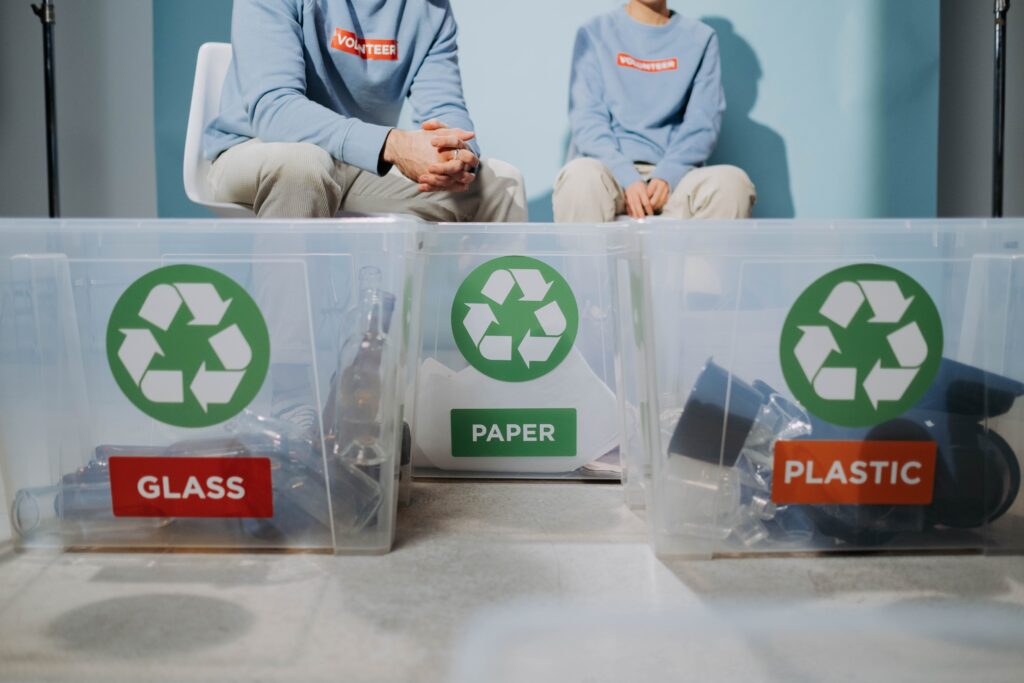
The way we dispose of goods contributes to environmental issues. Mindlessly discarding items from paper to plastic in trash bins contaminates soil, oceans, and water sources.
Recycling is a straightforward method to be environmentally conscious. Be mindful of products suitable for recycling, reducing reliance on disposable items over time.
Recycling is important, but reducing what we consume and finding ways to reuse items can have an even greater impact. Something as simple as using reusable water bottles, repurposing glass containers, or donating unwanted items instead of throwing them away helps keep materials out of landfills and gives products a longer life cycle.
4) Choose Greener Commutes
While it might not always be feasible to avoid car rides, assess your schedule for opportunities to incorporate greener alternatives. Walk to local destinations or use a bicycle for certain commutes. Spending more time in natural surroundings fosters appreciation for our beautiful world.
Not every destination can be reached on foot or by bicycle, and that’s okay. Sustainable living isn’t about perfection. Even incorporating one or two greener transportation choices each week can make a difference. Walking more often, combining errands into a single trip, or carpooling with friends or coworkers are practical ways to reduce emissions while spending more time outdoors.
5) Energize Your Home

Creating an energetically positive home involves both literal and figurative aspects. Sustainable homes benefit the planet and offer cost savings. While overhauling your entire home may not be practical, adopting small energy-saving practices can help:
- Open windows instead of using air-conditioning
- Turn off lights when not in use
- Minimize fridge time with a plan
- Unplug unused appliances, including computers
- Air-dry laundry instead of using a dryer
Making your home more energy efficient doesn’t necessarily require major renovations. Small changes like turning off lights, unplugging electronics, and taking advantage of natural light can lower energy consumption and reduce utility costs.
During my time working in the solar and home electrification industry, I saw firsthand how homeowners can make meaningful changes by becoming more mindful of their energy usage. While installing solar panels or upgrading appliances may not be realistic for everyone, simple everyday habits can still have a positive impact on both the environment and your monthly bills.
Why Small Changes Make a Sustainable Difference
One of the biggest misconceptions about sustainable living is that you have to do everything perfectly. In reality, sustainability is about making progress, not achieving perfection.
Bringing a reusable water bottle, remembering to recycle, choosing to walk instead of drive, or supporting environmentally responsible brands may seem like small actions on their own. However, when these habits become part of our routines and are adopted by millions of people, they can collectively create meaningful environmental change.
The goal isn’t to transform your life overnight. It’s to make intentional choices that help preserve resources and create a healthier future for generations to come.
Final Thoughts on Sustainable Living
Living more sustainably doesn’t require perfection or expensive lifestyle changes. It starts with small decisions that become habits over time. Whether you’re reducing plastic use, supporting eco-friendly brands, recycling more intentionally, choosing greener transportation, or finding ways to save energy at home, every effort matters.
Which sustainable habit are you going to try first? Sometimes the smallest changes can make the biggest difference.